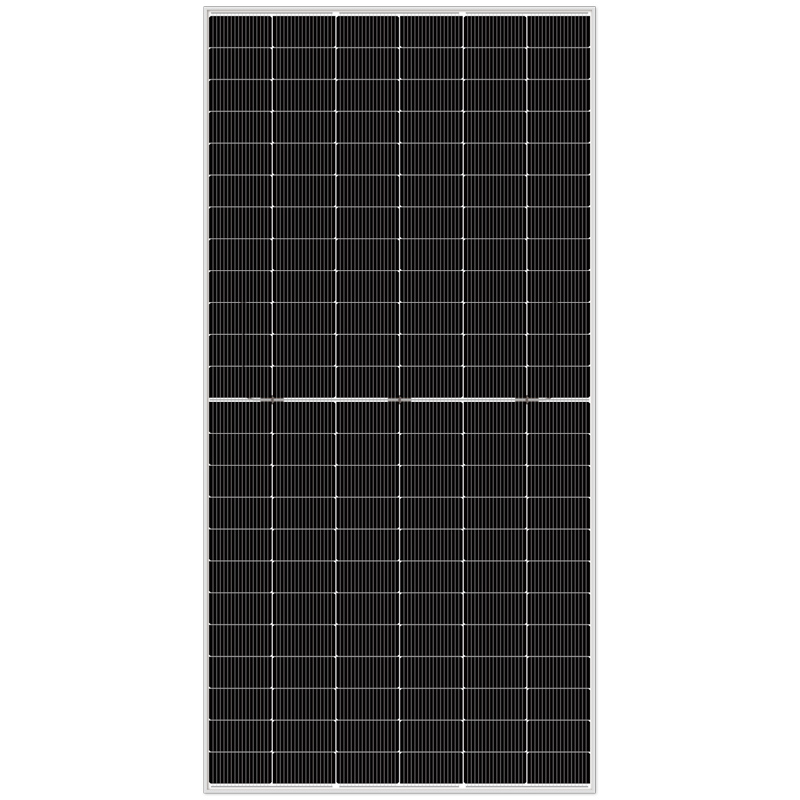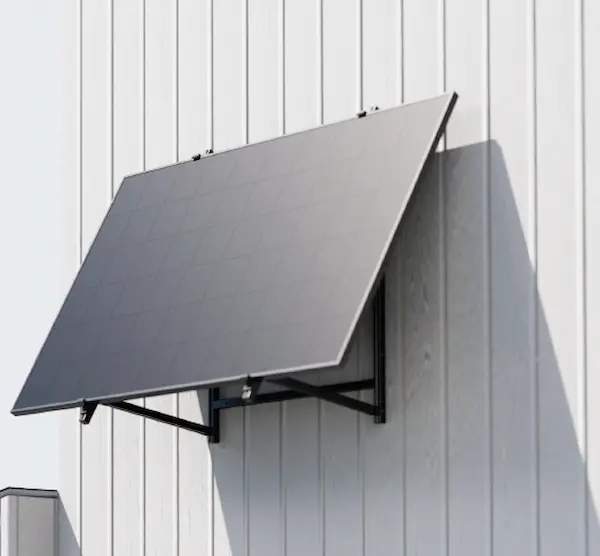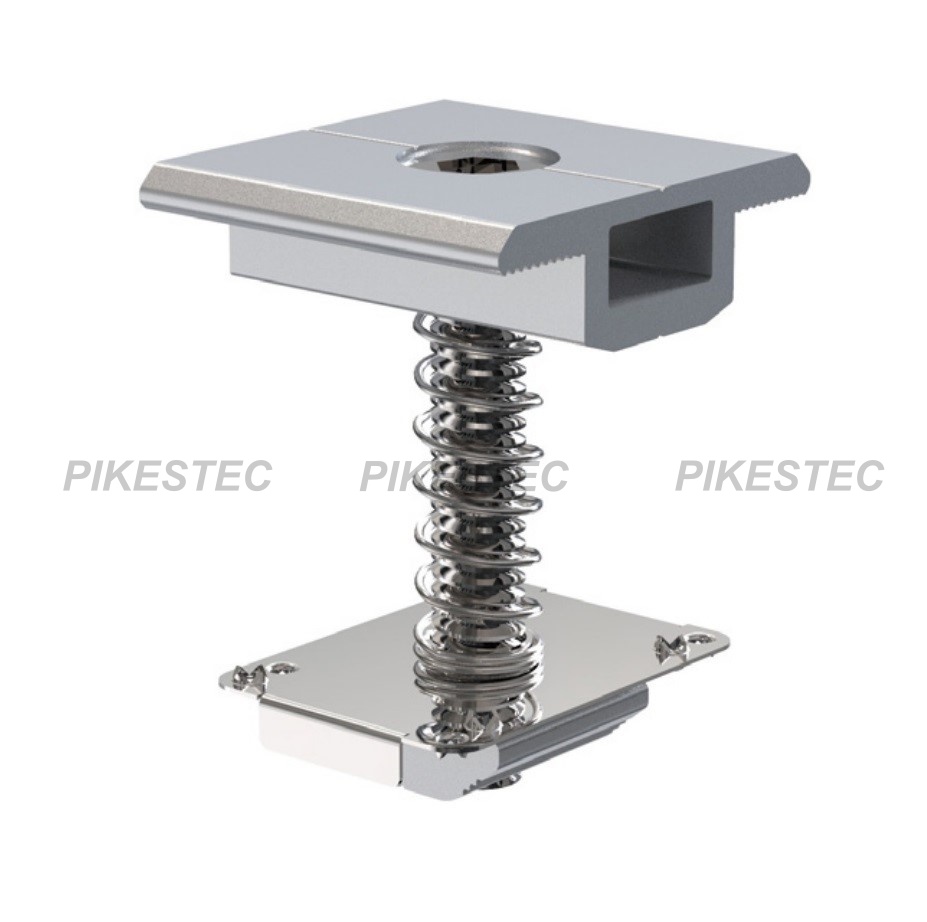
As solar energy adoption continues to accelerate worldwide, choosing the right Montering af solpaneler solution has become just as important as selecting high-efficiency photovoltaic (PV) modules. A well-designed Montering af solpaneler system provides the structural foundation that keeps solar panels secure, optimizes energy generation, and ensures reliable operation for more than 25 years.
Whether you’re installing a residential rooftop system, a commercial solar project, or a utility-scale solar farm, understanding the critical factors that influence Montering af solpaneler selection can help reduce installation costs, improve long-term performance, and maximize return on investment.
In this guide, we’ll explore the top 10 factors to consider before installing Solar Panel Mounting systems, along with expert insights on materials, engineering, customization, and how to choose the right manufacturing partner.
Why Solar Panel Mounting Is Critical to Every Solar Project
Many people focus primarily on solar panels and inverters, but the Montering af solpaneler system is equally important. It supports the entire PV array and must withstand decades of exposure to harsh environmental conditions.
A high-quality Montering af solpaneler system offers numerous benefits:
- Provides structural stability
- Maximizes solar energy production
- Protects the roof or foundation
- Simplifies installation
- Reduces maintenance costs
- Extends system lifespan
- Improves project safety
Selecting the right Montering af solpaneler solution at the planning stage helps avoid costly modifications later.
1. Roof Type or Installation Site
The first consideration is where the solar system will be installed.
Different locations require different Montering af solpaneler designs.
Common installation surfaces include:
- Flat roofs
- Standing seam metal roofs
- Corrugated metal roofs
- Tile roofs
- Asphalt shingle roofs
- Ground-mounted installations
- Solar carports
Each application requires specialized brackets, rails, clamps, and fastening methods.
Choosing a mounting system designed specifically for the installation surface improves safety and installation efficiency.
2. Structural Load Capacity
Before installing any Montering af solpaneler system, the building or supporting structure must be evaluated.
Professional structural analysis determines whether the roof can safely support:
- Solpaneler
- Monteringsskinner
- Ballast (if applicable)
- Snow accumulation
- Wind uplift
Older buildings may require reinforcement before installation.
Ground-mounted systems also require soil analysis to determine the appropriate foundation type.
3. Local Climate Conditions
Weather plays a major role in Montering af solpaneler design.
Installers must consider:
Wind Loads
Coastal and open-field projects require stronger mounting structures capable of resisting high wind speeds.
Snow Loads
Regions with heavy snowfall require reinforced rails and support beams.
Corrosion
Projects near oceans require corrosion-resistant materials such as anodized aluminum or stainless steel.
Earthquakes
Seismic regions demand specialized engineering to improve structural stability.
Choosing the correct Montering af solpaneler solution based on environmental conditions significantly improves system reliability.
4. Material Selection
The materials used in Montering af solpaneler directly affect durability, maintenance requirements, and installation costs.
Aluminum Alloy
Aluminum is one of the most popular choices because it offers:
- Lightweight construction
- Excellent corrosion resistance
- Easy transportation
- Quick installation
- Long service life
It is widely used for rooftop applications.
Hot-Dip Galvanized Steel
Steel provides exceptional strength for heavy-duty projects.
Advantages include:
- High load-bearing capacity
- Superior wind resistance
- Excellent snow-load performance
- Cost-effective for large projects
Steel is commonly used for ground-mounted solar farms.
Stainless Steel Fasteners
Bolts, washers, and clamps made from stainless steel ensure long-term corrosion resistance and structural integrity.
5. Solar Panel Orientation and Tilt Angle
A properly designed Montering af solpaneler system allows panels to capture maximum sunlight throughout the year.
Factors affecting orientation include:
- Geographic location
- Latitude
- Roof direction
- Seasonal sunlight changes
- Shading conditions
Ground-mounted systems generally provide greater flexibility because the tilt angle can be optimized without roof constraints.
Optimizing orientation improves energy production and project profitability.
6. Installation Efficiency
Labor costs represent a significant portion of total solar project expenses.
Modern Montering af solpaneler systems are designed for faster installation using:
- Pre-assembled components
- Universal rails
- Quick-lock clamps
- Integrated grounding
- Fewer fasteners
These innovations reduce installation time while improving construction quality.
Choosing an easy-to-install Montering af solpaneler solution benefits both installers and project owners.
7. Compatibility with Modern Solar Modules
Solar panels continue to evolve.
Today’s photovoltaic modules are:
- Larger
- More powerful
- Heavier
- Longer
Many commercial panels now exceed 600W.
A modern Montering af solpaneler system should accommodate various panel sizes while maintaining structural stability.
Future-proof compatibility reduces upgrade costs as solar technology advances.
8. Maintenance and Accessibility
Maintenance is often overlooked during project planning.
An effective Montering af solpaneler design should allow technicians to:
- Clean panels easily
- Replace damaged modules
- Inspect wiring
- Tighten fasteners
- Perform periodic maintenance safely
Ground-mounted systems generally offer easier access, while rooftop installations require additional safety precautions.
Planning for maintenance from the beginning lowers long-term operating costs.
9. Product Quality and Certifications
Not all Montering af solpaneler systems are manufactured to the same standards.
Before purchasing, verify that products comply with relevant international certifications and quality management systems.
Important considerations include:
- Structural testing
- Corrosion resistance testing
- Load calculations
- Material traceability
- Manufacturing quality control
Reliable manufacturers perform rigorous inspections throughout production to ensure long-term product reliability.
10. Choosing the Right Manufacturing Partner
One of the most important decisions is selecting a reliable Solar Panel Mounting manufacturer.
An experienced Solar Panel Mounting manufacturer provides far more than hardware.
Professional manufacturers offer:
- Engineering support
- Customized designs
- Wind-load calculations
- Snow-load analysis
- Prototype development
- OEM services
- ODM solutions
- Technical consultation
Working with an established Solar Panel Mounting manufacturer helps ensure consistent product quality and dependable project support.
Why Choosing the Right Solar Panel Mounting Supplier Matters
A professional Solar Panel Mounting supplier plays an essential role in successful project execution.
Reliable suppliers provide:
- Stable inventory
- Competitive pricing
- Global logistics
- Fast quotations
- Technical documentation
- Flexible production schedules
- Installation guidance
- Responsive customer service
Partnering with a trusted Solar Panel Mounting supplier reduces procurement risks while improving project efficiency.
Advantages of Working with a Professional Solar Panel Mounting Factory
An advanced Solar Panel Mounting factory combines modern manufacturing technology with strict quality management.
Typical production capabilities include:
- Aluminum extrusion
- CNC machining
- Precision punching
- Robotic welding
- Surface treatment
- Automated assembly
- Product testing
- Packaging customization
A technologically advanced Solar Panel Mounting factory ensures consistent product quality while supporting both standard and customized orders.
Large-scale factories also offer stronger production capacity for international projects with demanding delivery schedules.
The Growing Importance of Customization
Every solar installation presents unique challenges.
Increasingly, project developers require customized mounting solutions that match specific site conditions.
Customized options may include:
- Rail lengths
- Adjustable tilt angles
- Special roof attachments
- Foundation types
- Wind-load requirements
- Snow-load ratings
- Surface finishes
- Packaging
- OEM branding
Customized engineering improves installation efficiency while reducing material waste.
Common Mistakes to Avoid
Even experienced project developers sometimes make costly mistakes when selecting Montering af solpaneler systems.
Common errors include:
- Ignoring local wind conditions
- Underestimating snow loads
- Choosing incompatible roof attachments
- Using low-quality fasteners
- Overlooking future maintenance needs
- Selecting products based solely on price
- Working with inexperienced suppliers
Avoiding these mistakes significantly improves long-term system reliability.
Future Trends in Solar Panel Mounting
Den Montering af solpaneler industry continues to evolve rapidly.
Several important trends are shaping the market in 2026.
Larger Module Support
Manufacturers are designing stronger mounting systems compatible with larger photovoltaic panels.
Lightweight Structures
Advanced engineering reduces material usage while maintaining structural strength.
Faster Installation
Pre-assembled components shorten installation time and reduce labor costs.
Corrosion-Resistant Materials
Anodized aluminum and zinc-aluminum-magnesium steel provide superior durability in harsh environments.
Sustainable Manufacturing
Many manufacturers now adopt recyclable materials and environmentally friendly production processes.
Smart Engineering
Digital simulation, BIM integration, and AI-assisted structural analysis improve project design accuracy.
Konklusion
Choosing the right Montering af solpaneler system is one of the most important decisions in any solar project. From evaluating roof types and environmental conditions to selecting appropriate materials and ensuring compatibility with modern PV modules, every factor contributes to the long-term performance and reliability of the installation.
Equally important is choosing an experienced Solar Panel Mounting manufacturer, a dependable Solar Panel Mounting supplier, and a technologically advanced Solar Panel Mounting factory. These partners provide not only high-quality products but also engineering expertise, technical support, and customized solutions that help projects meet international standards and achieve maximum efficiency.
As the global solar industry continues to expand in 2026 and beyond, investing in premium Montering af solpaneler systems will ensure safer installations, lower maintenance costs, higher energy output, and greater long-term returns. Whether for residential rooftops, commercial facilities, or utility-scale solar farms, careful planning and the right mounting solution are essential for building durable, efficient, and future-ready solar energy systems.