As the global shift toward renewable energy accelerates, choosing the right 地上ソーラー・マウント solution or a roof-mounted system has become a key decision for homeowners, businesses, EPC contractors, and solar developers. While both options provide clean energy and long-term savings, each has distinct advantages, installation requirements, and cost considerations.
Selecting the most suitable 地上ソーラー・マウント or roof-mounted system depends on several factors, including available land, roof condition, project budget, energy demand, maintenance accessibility, and local environmental conditions. Understanding these differences can help maximize energy production while reducing installation and maintenance costs.
In this comprehensive guide, we’ll compare 地上ソーラー・マウント and roof solar mounting systems in detail, helping you determine which solution best fits your solar project in 2026.
What Is Ground Solar Mounting?
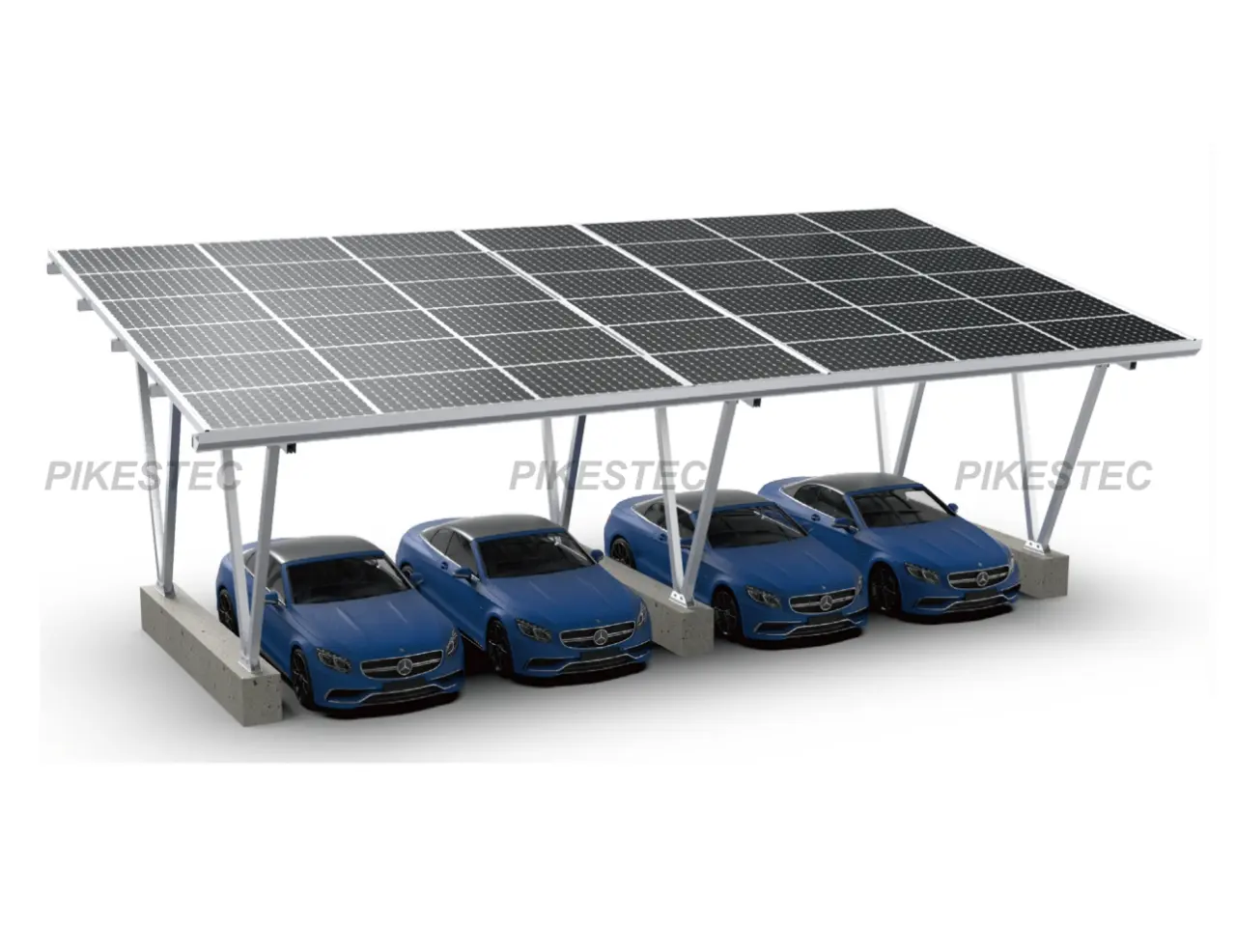
地上ソーラー・マウント refers to photovoltaic (PV) systems installed directly on the ground using specially engineered support structures. These systems are commonly used for:
- Utility-scale solar farms
- Commercial and industrial facilities
- Agricultural photovoltaic projects
- Open-field installations
- Community solar projects
Unlike rooftop systems, 地上ソーラー・マウント structures are installed on foundations such as concrete bases, driven piles, or ground screws, providing excellent flexibility in orientation and tilt angle.
What Is Roof Solar Mounting?
Roof solar mounting systems are installed directly on residential, commercial, or industrial rooftops. Depending on the roof type, different mounting solutions are available, including:
- Flat roof mounting
- Metal roof mounting
- Tile roof mounting
- Asphalt shingle roof mounting
Roof-mounted systems make efficient use of existing building space without occupying additional land, making them especially popular in urban environments.
Ground Solar Mounting vs Roof Solar Mounting: Key Differences
Although both systems generate clean electricity, they differ significantly in design, installation, maintenance, and performance.
1. Installation Location
The most obvious difference is where the solar panels are installed.
地上ソーラー・マウント
- Installed on open land
- Suitable for large-scale projects
- Flexible orientation
- Easy expansion
Roof Solar Mounting
- Installed on existing buildings
- Space limited by roof size
- Dependent on roof orientation
- Ideal for urban properties
For projects with abundant land, 地上ソーラー・マウント offers greater flexibility.
2. Energy Production Efficiency
One major advantage of 地上ソーラー・マウント is the ability to optimize panel orientation.
Ground-mounted systems allow installers to:
- Adjust tilt angles precisely
- Face panels toward optimal sunlight
- Reduce shading
- Improve airflow beneath modules
As a result, 地上ソーラー・マウント systems often produce 5%–20% more electricity than comparable rooftop installations.
Roof systems are limited by the building’s orientation and roof slope, which may not always be ideal for solar energy generation.
3. Installation Cost
Roof systems generally require lower initial investment because they utilize existing building structures.
However, 地上ソーラー・マウント projects require:
- Foundation construction
- Site preparation
- Earthwork
- Additional support structures
These factors typically increase upfront installation costs.
Despite higher initial investment, many commercial projects achieve greater long-term returns due to higher electricity production.
4. Maintenance Accessibility
Maintenance is much easier with 地上ソーラー・マウント.
Technicians can:
- Access panels safely
- Clean modules efficiently
- Replace components quickly
- Inspect wiring without climbing roofs
Roof-mounted systems often require additional safety equipment and more labor-intensive maintenance procedures.
5. Cooling Performance
Solar panels lose efficiency as temperatures increase.
Because 地上ソーラー・マウント systems have better airflow around the modules, they operate at lower temperatures.
Improved ventilation results in:
- Higher conversion efficiency
- Reduced thermal degradation
- Longer equipment lifespan
Roof-mounted panels tend to retain more heat due to limited airflow between the modules and roof surface.
6. Scalability
Future expansion is much simpler with 地上ソーラー・マウント.
Additional rows of panels can easily be installed when electricity demand increases.
Roof systems are constrained by available roof space and structural capacity.
Types of Ground Solar Mounting Systems
Modern 地上ソーラー・マウント solutions are available in several configurations.
Fixed Tilt Systems
Fixed-tilt systems remain the most economical option.
Advantages include:
- Lower installation costs
- Simple design
- Minimal maintenance
- Long service life
They are widely used in utility-scale solar farms.
Adjustable Tilt Systems
These systems allow seasonal angle adjustments.
Benefits include:
- Higher annual energy output
- Improved winter performance
- Better solar optimization
Single-Axis Tracking Systems
Tracking systems automatically follow the sun throughout the day.
Advantages include:
- Increased energy generation
- Higher project ROI
- Improved land utilization
Although more expensive, they are increasingly adopted in large commercial projects.
Types of Roof Solar Mounting Systems
Roof mounting systems vary according to roofing material.
Flat Roof Mounting
Suitable for:
- Commercial buildings
- Warehouses
- Shopping centers
Typically uses ballasted or mechanically attached systems.
Metal Roof Mounting
Ideal for:
- Industrial buildings
- Manufacturing plants
- Agricultural facilities
Special clamps reduce roof penetrations while improving waterproof performance.
Tile Roof Mounting
Common in residential applications.
Uses:
- Roof hooks
- Aluminum rails
- Stainless steel fasteners
Which Projects Benefit Most from Ground Solar Mounting?
地上ソーラー・マウント is especially suitable for:
- Solar farms
- Agricultural land
- Manufacturing facilities
- Industrial parks
- Logistics centers
- Government renewable energy projects
Its flexibility makes it the preferred choice for large-scale power generation.
Which Projects Are Better for Roof Mounting?
Roof systems are ideal for:
- Residential homes
- Office buildings
- Schools
- Hospitals
- Retail centers
- Hotels
These buildings can generate clean energy without requiring additional land.
Materials Used in Ground Solar Mounting Systems
High-quality 地上ソーラー・マウント systems are designed to withstand harsh environmental conditions for more than 25 years.
Common materials include:
Hot-Dip Galvanized Steel
Offers:
- Exceptional structural strength
- Excellent wind resistance
- High snow-load capacity
- Long-term durability
Aluminum Alloy
Widely used because it provides:
- Lightweight construction
- Excellent corrosion resistance
- Easy transportation
- Fast installation
Stainless Steel Fasteners
Critical components including bolts, nuts, and clamps are manufactured from stainless steel for long-lasting corrosion protection.
Why Choose a Professional Ground Solar Mounting Manufacturer?
Selecting an experienced Ground Solar Mounting manufacturer is essential for ensuring project quality and long-term reliability.
A professional manufacturer offers:
- Structural engineering
- Wind-load calculations
- Snow-load analysis
- Customized project design
- OEM and ODM services
- Product testing
- Quality certifications
- Technical support
Working with a trusted Ground Solar Mounting manufacturer ensures every project meets international standards and local building regulations.
Benefits of Working with a Reliable Ground Solar Mounting Supplier
A dependable Ground Solar Mounting supplier provides much more than standard hardware.
Professional suppliers typically offer:
- Competitive pricing
- Large production capacity
- Stable delivery schedules
- Global logistics
- Flexible customization
- Installation guidance
- Responsive after-sales support
Choosing the right Ground Solar Mounting supplier helps reduce procurement risks and keeps projects on schedule.
Why Custom Ground Solar Mounting Solutions Matter
Every solar project has unique site conditions.
Therefore, many developers now require custom Ground Solar Mounting solutions tailored to specific project needs.
Customization options include:
- Foundation selection
- Rail dimensions
- Structural height
- Tilt angle
- Wind-load design
- Snow-load capacity
- Corrosion-resistant coatings
- OEM branding
- Packaging requirements
A professionally engineered custom Ground Solar Mounting solution can significantly improve installation efficiency while reducing lifecycle costs.
Future Trends in Ground Solar Mounting
について 地上ソーラー・マウント industry continues to evolve alongside advances in photovoltaic technology.
Key trends for 2026 include:
- Larger module compatibility
- Lightweight structural designs
- Zinc-aluminum-magnesium steel applications
- Faster installation systems
- AI-assisted engineering optimization
- Sustainable manufacturing processes
- Smart tracking technologies
- Improved corrosion resistance
These innovations help reduce project costs while increasing long-term energy production.
Which One Is Better?
There is no universal answer. The best choice depends on your project requirements.
Choose Ground Solar Mounting if you:
- Have sufficient available land
- Need maximum energy output
- Plan future system expansion
- Require easier maintenance
- Are developing commercial or utility-scale projects
Choose Roof Solar Mounting if you:
- Have limited land availability
- Want lower installation costs
- Own a structurally sound building
- Need a residential or small commercial solution
- Prefer utilizing existing roof space
結論
Both 地上ソーラー・マウント and roof solar mounting systems play essential roles in today’s renewable energy market. While roof-mounted systems offer excellent space efficiency and lower upfront costs, 地上ソーラー・マウント provides greater design flexibility, higher energy production, easier maintenance, and superior scalability.
For EPC contractors, distributors, installers, and project developers, partnering with an experienced Ground Solar Mounting manufacturer and a reliable Ground Solar Mounting supplier ensures access to high-quality products, engineering expertise, and comprehensive OEM/ODM services. When project requirements are unique, investing in a custom Ground Solar Mounting solution delivers improved structural performance, optimized installation efficiency, and long-term value.
As the solar industry continues to grow in 2026 and beyond, selecting the right mounting solution is a critical step toward building efficient, durable, and profitable photovoltaic systems.